This post provides a general background on fracking technology, the related environmental and safety concerns, and pending legislation. In an upcoming post, we’ll address the issues surrounding the vast Monterey shale deposit in California.
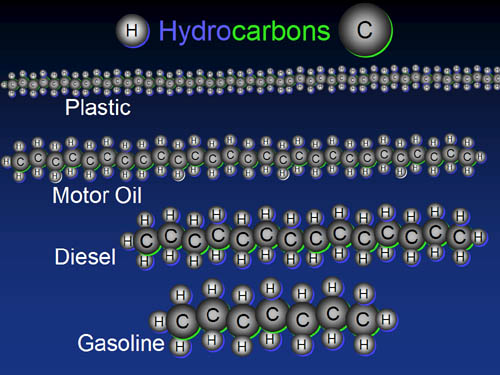
Induced hydraulic fracturing, or fracking, is a process in which a highly pressurized fracturing liquid is injected into cracks in rock layers. The energy within the pressurized liquid induces fractures in the rock layers to propagate and grow. The technology has uses in oil and natural gas industries principally because hydrocarbons that would otherwise be inaccessible or not economically viable can be extracted at much higher yield rates.
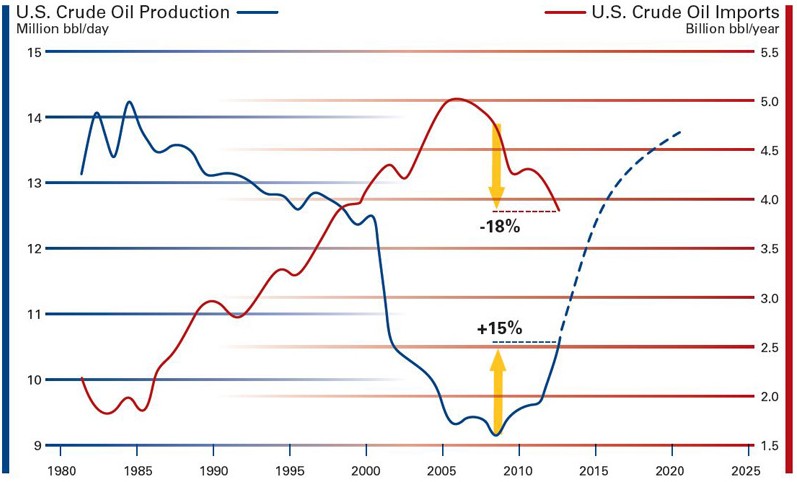
The economic pros of hydraulic fracturing are obvious. The estimated global remaining reservoir of shale gas, tight gas, and coalbed methane, all recoverable via hydraulic fracturing, is roughly 310 trillion cubic meters. As of 2012, the total combined oil reserve of the top seventeen oil-rich countries totaled only 210 trillion cubic meters. Due in large part to hydraulic fracturing operations, current forecasts are that in late 2013, U.S. monthly crude oil productions are expected to exceed imports for the first time since 1995. With global oil demand continually increasing, the vast supply of north American shale gas reserves is expected to provide the U.S. with substantially greater stability in an otherwise extremely volatile global market.
However, obvious economic impacts aside, significant environmental and public health concerns have majorly delayed the proliferation of hydraulic fracturing technology. Continue reading →

 The EPIC Energy Blog